
First Maryland Disability Trust
Trust Management with a Personal Touch
First Maryland Disability Trust specializes in cost-effective, special needs disability trustee services designed to enhance beneficiaries’ quality of life. We provide families, friends, and individuals with the tools to plan for current and future needs. All while protecting eligibility for public disability benefits.
Supporting and encouraging families to plan for the future, including:
Special Needs Trusts
Special Needs Planning
Settlements
Inheritance & Unplanned Funds
Social Security Administration (SSA) Awards
Special Needs and Disability Trustee Services
First-Party Special Needs Trusts
A first-party disability trust is also called a first-party special needs or supplemental needs trust. It is funded by the individual’s own assets and is used for their personal benefit.
Pooled Trusts / Pooled Asset Trusts (PSNT)
What is a pooled asset trust?
Medicare Set-Aside Trusts (MSA)
What is a medicare set-aside trust?
Payback Trusts
What is a payback trust?
Third-Party Special Needs Trusts
A third-party disability trust is created by family or friends to provide for the wellbeing of an individual with disabilities. It can be funded with assets from any source except the beneficiary’s own. This ensures eligibility for public benefits like Medicare and Supplemental Security Income while maintaing quality of life.
Third-Party Pooled Asset Trusts
What is a third-party pooled asset trust?
Testamentary Trusts
What is a testamentary trust?
Featured In

“As a corporate trustee, Denise Fike’s firm provides cost-effective trust management for people with disabilities to protect, maintain, and use trust assets while preserving their clients’ eligibility for public and private benefits. Working with clients, families, and agencies to improve our clients’ quality of life, we help families create a secure plan for the future of their loved one.”
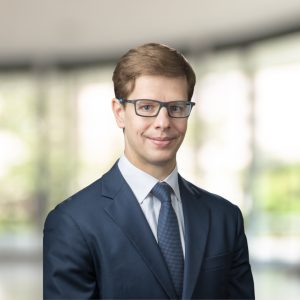 Alex J. Zarzecki, Esq.
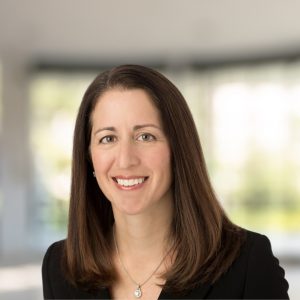 Jill A. Snyder, Esq.
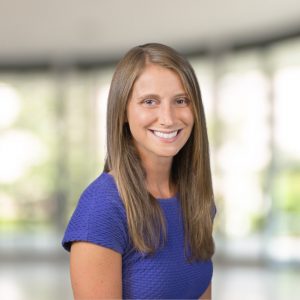 Mallory Legg, Esq.
 Michael I. Levine, Esq.
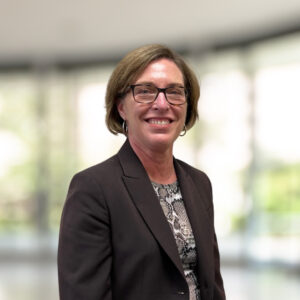 May-Lis Manley, Esq.
 Natasha Ludwig, Ph.D
 Eric Jorgensen, MBA